
Brick Cleaning Toronto: How to Remove Graffiti Without Damaging Masonry
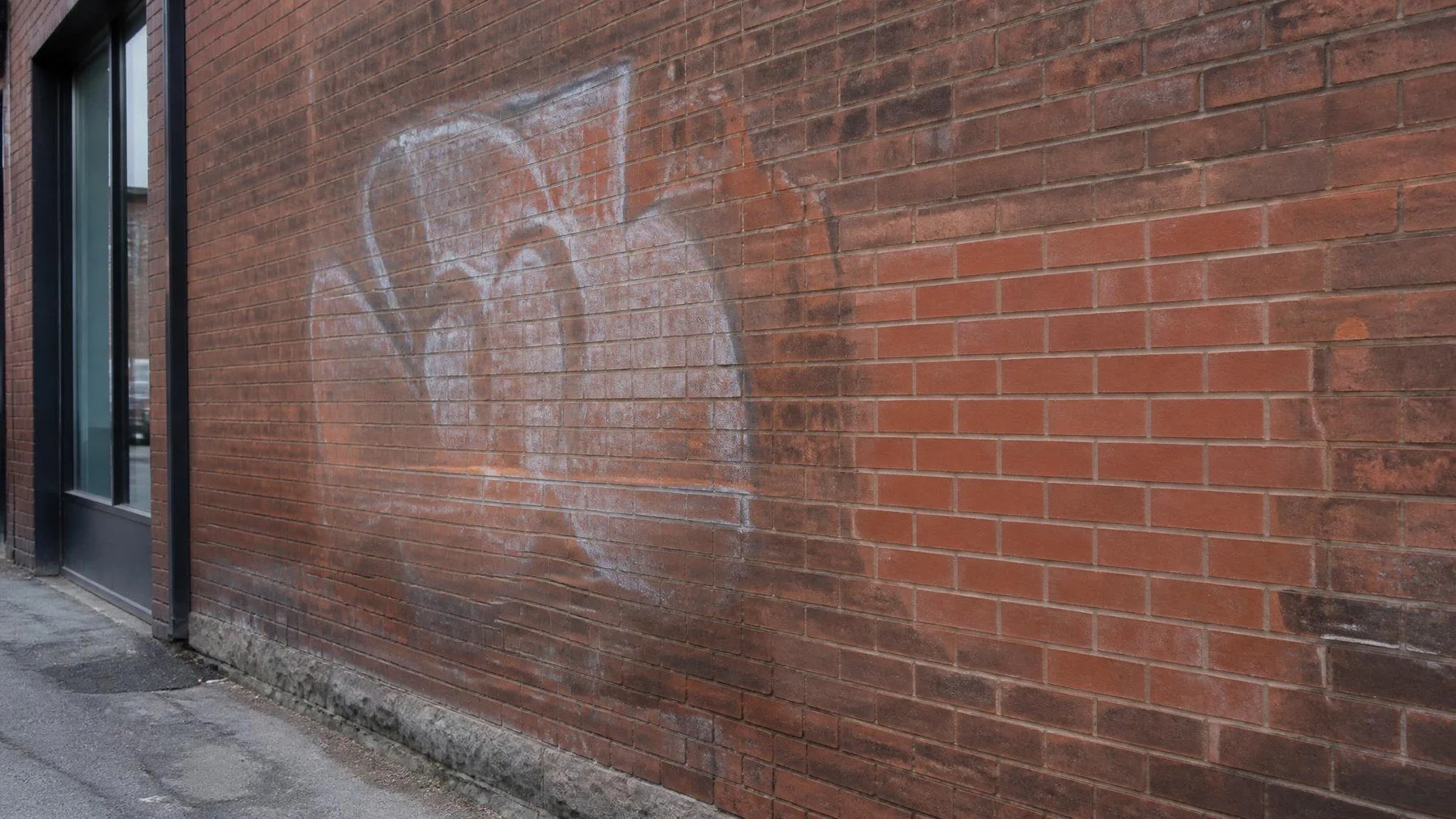
Fresh tag on the side of a storefront, and the pressure washer in the garage looks like the obvious answer. It is usually the thing that turns a cleaning job into a repair job. Good brick cleaning toronto work follows one rule: use the gentlest effective method chosen for the exact brick or stone, start with a test patch, and avoid uncontrolled pressure or chemistry that can damage the masonry face.
The reason is simple. A brick's weather resistance lives in its fired outer skin. Blast that skin off and the unit behind it drinks water, which in a Toronto winter is exactly how spalling starts. The paint comes off and a slower, worse problem goes on.
We test before we clean, every time, and we will tell you when a stain is better left alone than removed at the cost of the surface. Here is how the method gets chosen.
Why the Surface Decides the Method
Two walls with the same tag can need completely different treatment. What matters is what is underneath.
Unpainted, sound brick
A hard fired, sound brick with tight joints is the most forgiving case, and even then the graffiti has often soaked into the pores rather than sitting on top. Removal works on dwell time and the right chemistry at low pressure, not on force.
Soft, old or already spalling brick
Older Toronto brick is often softer, and a wall that is already losing faces has no skin left to protect. On this surface aggressive cleaning does visible, permanent harm.
Painted or coated masonry
If the wall was painted or sealed before it was tagged, you are removing two layers with different behaviour, and taking the tag off often takes the finish with it. That has to be decided before work starts, because a patchy result is its own problem.
Start With a Test Patch, Always
The test patch is the whole of the method, in miniature, done where a poor outcome will not matter.
- Pick a low, inconspicuous area of the same material and same condition as the graffiti.
- Clean a small square with the least aggressive option that could plausibly work.
- Rinse, let it dry fully, and look at it in daylight rather than while wet.
- Check the brick face and the joint for etching, lightening, pitting or sand loss.
- Only step up the method if the gentler one failed and the patch survived.
- Photograph each stage so the result can be compared and agreed before the full wall.
A wet wall always looks clean. Judging a patch before it dries is how the wrong method gets approved for an entire elevation.
What Damage From the Wrong Method Looks Like
| Method pushed too far | What it leaves behind |
|---|---|
| High pressure water or abrasive blasting | Pitted, opened brick faces and raked out joints that then absorb water |
| Strong acid on the wrong unit | Lightened, etched brick, staining that reappears, and damaged mortar |
| Strong alkali left too long | Salt deposits blooming on the surface for months afterwards |
| Wire brushing a soft unit | A permanently scoured patch that reads differently from the wall |
| Cleaning in freezing weather | Water driven into the wall ahead of a freeze, and new spalling |
None of that can be undone by cleaning again. The repair after it is unit replacement and joint work, which is brick repair rather than cleaning, and a far larger bill than the tag was.
Where the Joints Come Into It
Cleaning puts water and chemistry straight onto the mortar. If the joints are already receded or soft, a wash drives water into the wall core and can take what is left of the joint with it.
On a wall in that condition the sensible sequence is joint repair first and cleaning afterwards. That is ordinary tuck pointing work, and doing it in that order means the clean surface is not immediately stained again from inside the wall.
Heritage Walls and Repeat Targets
For a wall that gets tagged repeatedly, the conversation worth having is about what happens after this cleaning. Any protective treatment is a separate decision with its own trade offs on an older wall, and it should be chosen on the same evidence as the cleaning method. Full service detail sits on our brick cleaning and graffiti removal page.
The Plain Answer on Taking Graffiti Off Brick
Match the method to the masonry, not to the paint. Test it somewhere that does not matter, judge it dry, and stop at the gentlest thing that works. Repair open joints before you wash a wall, leave cleaning out of freezing weather, and get heritage approval before touching a designated facade. A tag is a nuisance. A scoured brick face is a repair.
Show Brick Aid Masonry the damage
We are a family owned masonry company serving Toronto and the GTA. We assess the surface before we propose a cleaning method, give you an honest free quote, and back our work with a 2 year workmanship warranty. Request a free quote and send us photos of what you found.