
Removing Paint from Brick: Start With a Test Patch
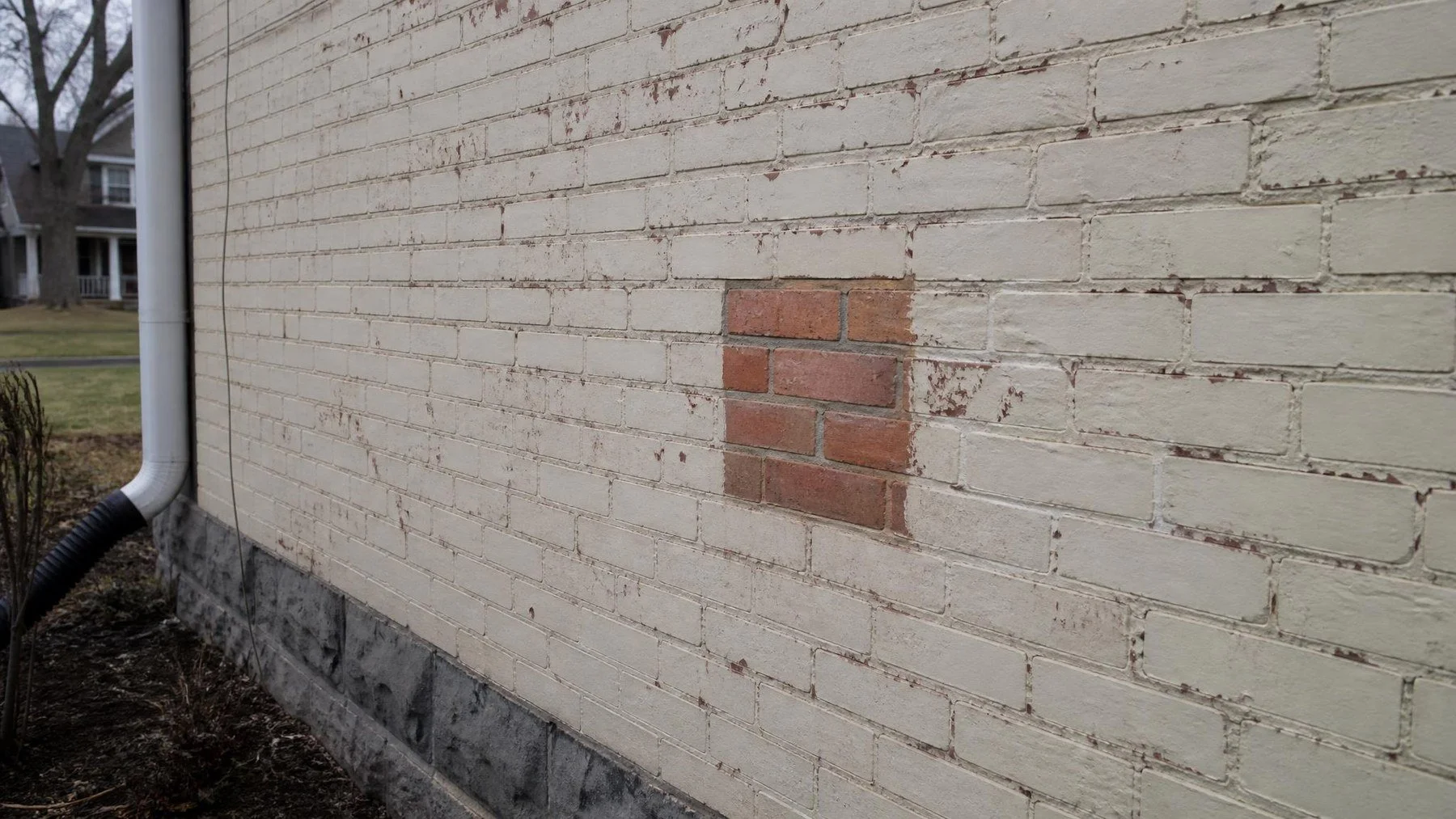
Treat the test patch as an approval stage, not a demonstration that removal is possible. Record the coating layers, product, dwell time, agitation, rinse method and dry result on both brick and mortar. Accept the method only after checking for surface loss, opened joints, residue, colour change and the amount of shadowing left in pores.
A test patch is the first deliverable
Paint type, number of layers, brick hardness, joint condition, and previous cleaning all affect removal. Choose a discreet test area that includes brick and mortar. Record the product, dwell time, agitation, rinsing, and condition after the wall dries.
Reject methods that damage the fired brick surface
High pressure and aggressive abrasion can remove the fired surface, round edges, and cut mortar joints. Damage may become clearer only after drying. The least aggressive effective method should set the direction for the wider job.
Expect limits, not a perfect reset
Paint can remain in pores, cracks, and textured faces. Earlier repairs may appear once the coating is gone. Decide in advance what amount of shadowing is acceptable and whether isolated units or joints need repair.
Define the method, protection and acceptable result
A useful scope defines test approval, containment, adjacent-surface protection, wash-water control, final cleaning, and repair allowances. Brick Aid can assess the masonry and cleaning boundary before full paint removal begins.
Set acceptance and stop conditions before removal
- Accept the dry test patch before widening the area
- Stop for face loss, rounded edges or eroded joints
- Assign coating hazards, containment and disposal
Stop when the brick face powders, edges round, mortar erodes, staining spreads or the required aggression exceeds the agreed limit. Older coatings may contain lead or other hazards. Ontario lead guidance calls for controls that reduce dust during lead coating work. A qualified hazardous coating contractor should determine testing, containment and disposal requirements before broad removal. The masonry cleaning scope can then define repair allowances and an acceptable dry result without guaranteeing a new brick appearance.