
Mortar Types for Masonry Repair: Why the Strongest Mix May Not Fit
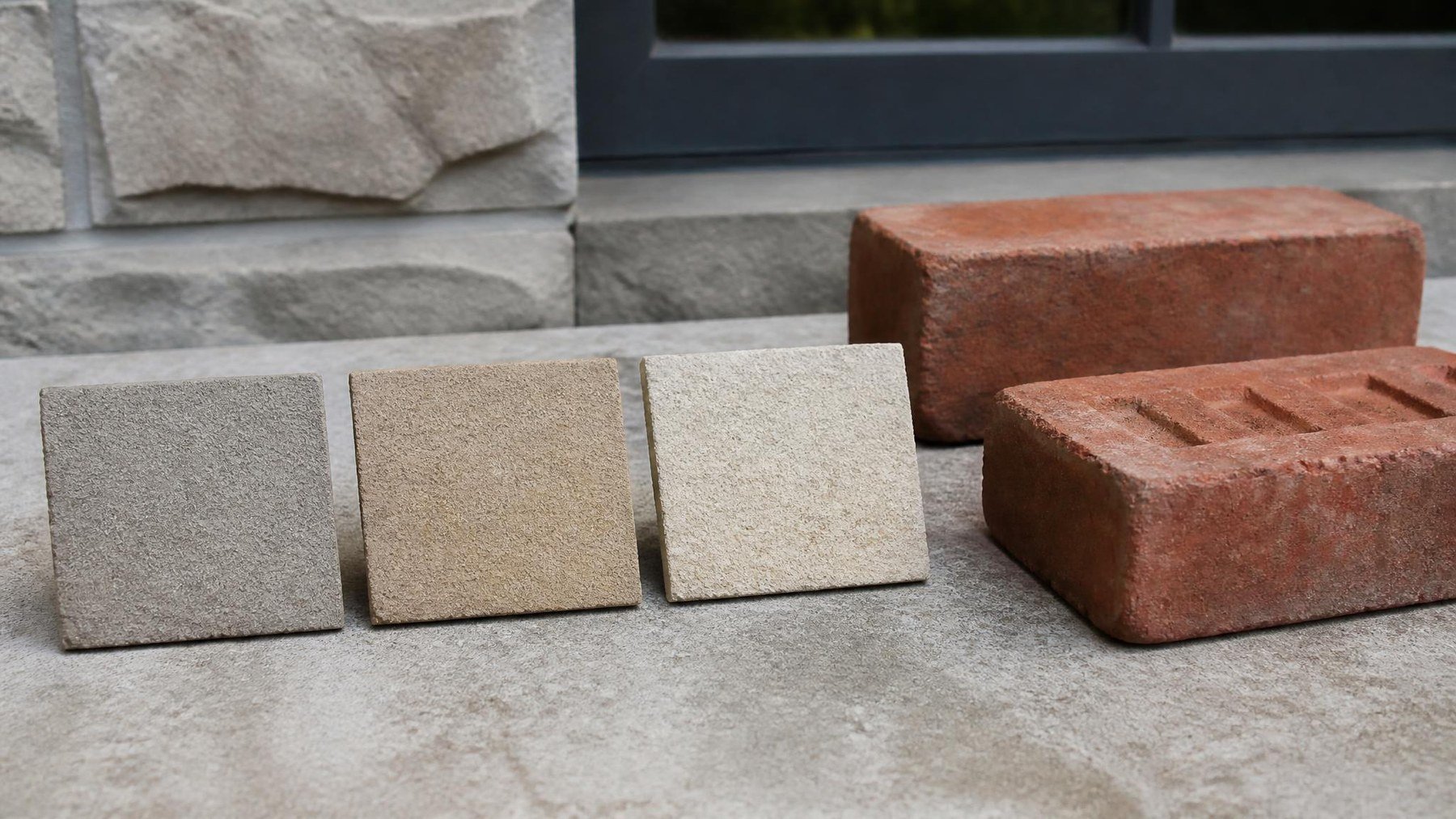
Type N, S, M and O mortar are performance classifications, not a ranking from bad to good. Type M generally represents the highest compressive strength of those common classifications, while Types N and O step down in strength and Type S sits between N and M. The correct choice still depends on the masonry units, exposure, loads and existing construction.
Strength is only one selection factor
Mortar holds units together, accommodates small movement, and helps the wall manage moisture. The strongest available mix may be too rigid for soft brick or older construction. Selection starts with the masonry units, exposure, wall type, and existing mortar.
Type names do not replace testing
Common mortar classifications describe broad performance ranges. Site conditions, sand grading, pigments, workmanship, and curing also affect the finished joint. For existing masonry, sample the original and prepare a test panel before committing to a visible repair.
Match the joint as well as the mix
Depth, compaction, tooling, and timing influence durability and appearance. A compatible recipe installed in shallow or poorly prepared joints will not perform as intended. Sound mortar should remain while failed material is removed to an adequate depth without harming brick edges.
Ask what the specification is protecting
A clear historic masonry scope names the existing masonry, proposed mortar basis, sample approval, removal method, joint profile, curing, and weather protection. Brick Aid can assess these factors for modern, mixed, and older Toronto masonry.
Read type labels as performance categories
| Specification item | Question to resolve |
|---|---|
| Masonry units and existing mortar | What evidence supports the proposed mortar for this wall? |
| Sample panel | Who will approve the colour, sand texture and joint profile? |
| Installation conditions | What curing and weather protection does the specification require? |
For modern or mixed masonry, the designer or specifier selects a mortar category and project requirements, then workmanship, sand, water, weather and curing affect the result. A type label does not justify a field recipe, and a stronger mortar can be incompatible with softer units. Historic lime work needs separate investigation of original materials and is covered in the lime mortar guide. For visible repairs, require a test panel for colour, texture and joint tooling as well as a written mortar basis.