
Before Painting Exterior Brick, Check Moisture and Repair Needs
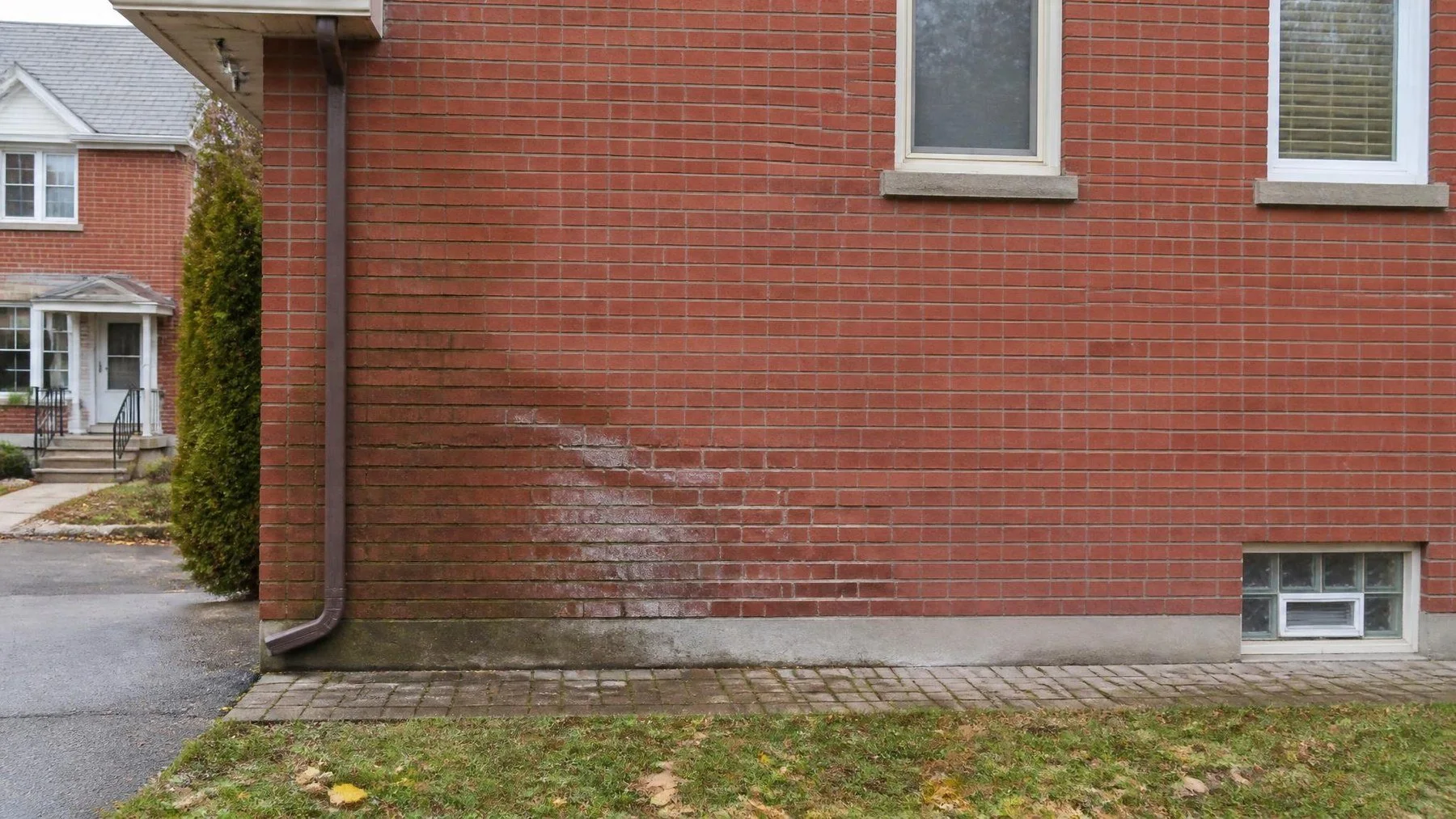
Pause a painting plan when brick is spalling, joints are open, staining is active or the wall stays wet. Exposed brick and an already coated wall also present different decisions. On exposed masonry, painting changes the finish and future maintenance. On coated masonry, the first question is whether the existing layer is sound and compatible with the wall.
Pause before covering the wall
Paint changes how brick takes in and releases moisture. Before painting, inspect the wall for spalling, open joints, efflorescence, staining, failed flashing, and previous coatings. Find and repair the moisture source before surface preparation begins.
Separate appearance from performance
Uneven colour can come from repairs, dirt, moisture, or different brick batches. Cleaning a test area may change the decision. If the goal is a uniform look, compare the maintenance and reversibility of paint with leaving the masonry exposed.
Finish masonry repairs first
Replace failed units, repoint open joints, and allow repairs to cure before coating. The repair mortar and preparation method must suit the existing brick. Aggressive cleaning can damage the very surface the finish needs to bond to.
Get two scopes when needed
Brick Aid provides masonry assessment and repair. Ask the mason to define repairs and moisture corrections, then ask the coating contractor to confirm preparation, product compatibility, and application conditions.
Use a go or pause check before coating
- Pause for active moisture, spalling or open joints
- Separate exposed brick from an existing coating
- Finish masonry repairs before coating preparation
Use a concrete sequence. Find the moisture source, complete necessary brick and mortar repairs, allow the repair materials to cure under their specifications, then let the coating contractor evaluate preparation and product compatibility. Existing paint may conceal earlier repairs or remain in pores if later removed. Brick Aid can define and complete the masonry scope. The coating system and application conditions belong in a separate painting specification.