
Should You Seal Your Brick? When Sealers Backfire
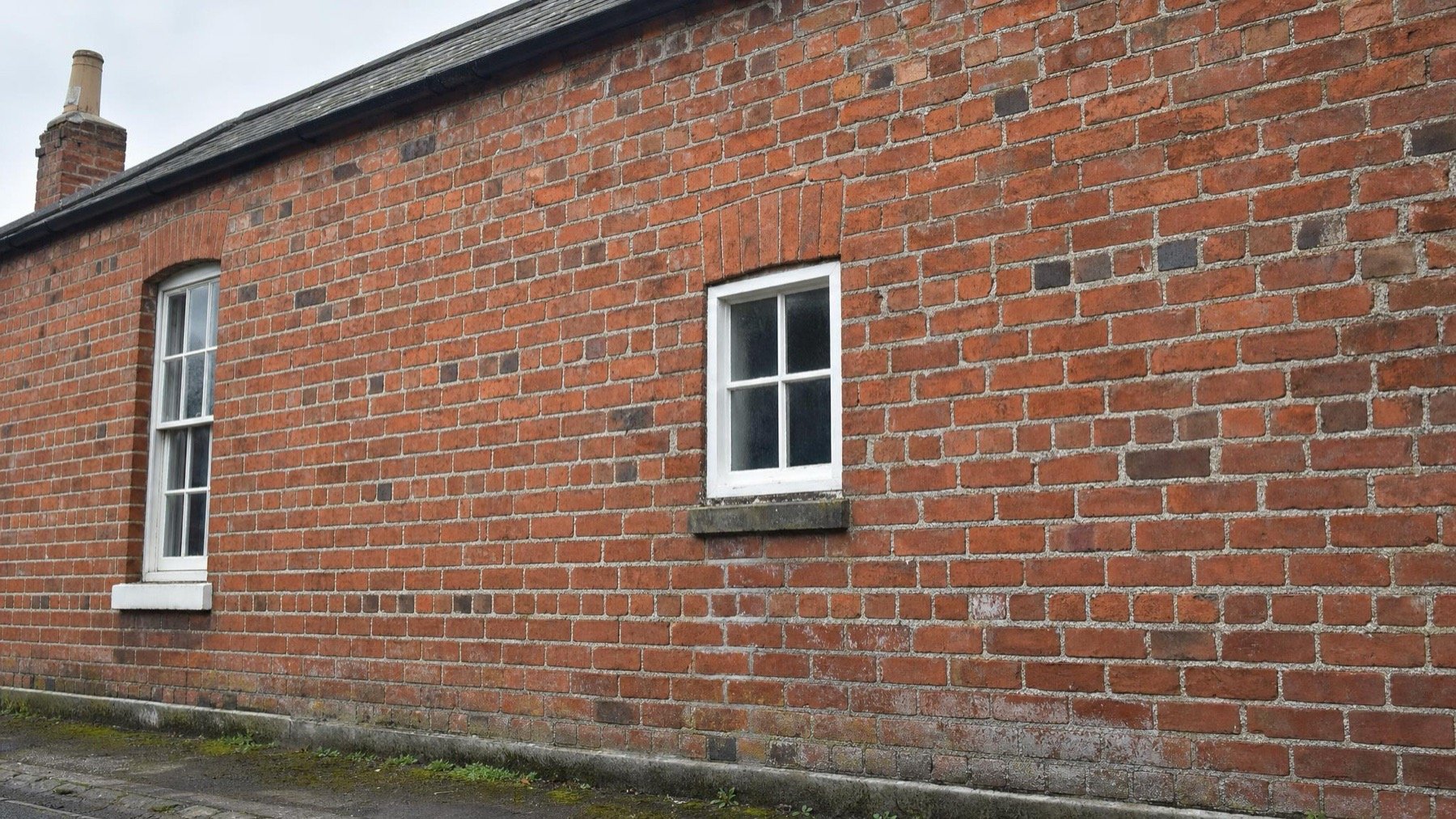
Sealing brick is one of the few maintenance decisions that can take a sound wall and shorten its life.
It is not that every product is wrong. It is that the wall has to be dry and sound first, and most walls people want to seal are neither.
Start with why the wall is wet
Nobody seals a wall that is behaving. The impulse comes from damp, staining, or a basement that smells of moisture, and those all have a source.
The usual causes, none of which a sealer fixes
- Open or eroded mortar joints letting water into the wall
- A failed chimney crown or coping pouring water in from above
- Downspouts discharging against the wall
- Grade sloping toward the house
- Blocked drainage in a veneer cavity
Coating the outside of a wall with any of those live means sealing water in rather than out. The joints are the place to start, and our guide to the signs your joints need repointing covers how to read them.
Know the difference between film and breathable
Two broad categories get sold as brick sealer and they behave in opposite ways.
Film forming products, including most paints and acrylic sealers, sit on the surface as a continuous layer. Breathable water repellents, typically silane or siloxane based, soak into the pores and line them so liquid water beads while vapour still passes.
Why the distinction decides everything. Masonry has to be able to dry outward. A film stops vapour leaving, so moisture accumulates behind the coating and freezes there. That is how a sealed wall spalls faster than an unsealed one.
Compare the coating options
| Film forming | Breathable repellent | No coating | |
|---|---|---|---|
| Vapour transmission | Blocked | Retained | Full |
| Effect on freeze damage | Increases risk | Neutral to slight benefit | Baseline |
| Reversibility | Very difficult | Wears off in years | N/A |
| Suits heritage brick | No | With care and testing | Usually best |
| Fixes a leak | No | No | No |
The bottom row is the important one. None of these is a repair. A repellent reduces how much water a sound wall absorbs. It does nothing about water arriving through a failed joint, crown or flashing.
Check what sealing does to a failing wall
On a wall that is already taking on water, a film coating converts a visible problem into a hidden one. The damage continues behind the coating where nothing shows until the face lifts.
It also changes the failure mode. Salt that would have crystallised harmlessly on the surface now crystallises inside the pores instead, which is the mechanism behind the damage described in our post on efflorescence and the spalling in why bricks crumble.
On soft pre 1930 Toronto brick the risk is highest, because those units rely on being able to dry and their fired surface is easily lost.
Fix the joints first, then decide
The sequence that works: find and correct the water source, repoint what needs repointing, let the wall dry through a season, then reassess whether a repellent adds anything.
Most walls at that point do not need one. A sound wall with good joints and working drainage already sheds water adequately. Where a repellent is justified, usually severe exposure or a wall that stays wet by orientation, it goes on dry, sound masonry and gets tested on a small area first.
Cleaning and coating decisions are covered on our brick cleaning and restoration page.
Frequently asked questions
Is sealing brick a good idea?
Rarely as a first move. A sound wall with good joints usually does not need it, and sealing a wall that is already taking on water traps moisture and accelerates damage. Fix the source, repoint, then reassess.
What is the difference between brick sealer and water repellent?
Film forming sealers and paints sit on the surface and block vapour. Breathable repellents, usually silane or siloxane based, line the pores so liquid beads while vapour still escapes. Only the second type is appropriate on masonry.
Can sealing brick cause spalling?
Yes. A film coating stops the wall drying outward, so moisture and salt accumulate behind it and expand during freeze cycles. The face then lifts from underneath, often with no warning until it fails.
Should I seal old or heritage brick?
Approach with real caution. Soft older brick depends on drying outward and its fired surface is easily damaged. Correcting mortar and water sources achieves far more, and any product should be tested on a small area first.
Will a sealer stop my basement being damp?
No. Basement damp comes from water moving through the foundation, drainage or grade, and a coating on the outside face of brick above grade does not address any of those. Treat it as a water management problem.
Fix the cause before you coat anything
Brick Aid Masonry traces where water is entering, repoints what needs it, and tells you honestly when a wall needs no coating at all. Free on site assessments across Toronto and the GTA with a 2 year workmanship warranty. Call (647) 271-2697 or book a free assessment.